A&E or a home doctor? How to decide
It's a question almost every family faces eventually: is this serious enough for the emergency department, or could a doctor sort it out at home? Here's a simple way to think it through — starting, always, with safety.
Key takeaways
- Start by ruling out an emergency — for the red flags below, go straight to A&E or call 995.
- A home doctor is well suited to problems that need assessment and treatment but aren't life-threatening, and where travel is hard or pointless.
- When in doubt, a phone call lets a clinician help you choose — and tells you quickly if it's an emergency.
- The right answer also depends on the patient: the very young, the frail elderly and the recently discharged deserve a lower threshold to seek help.
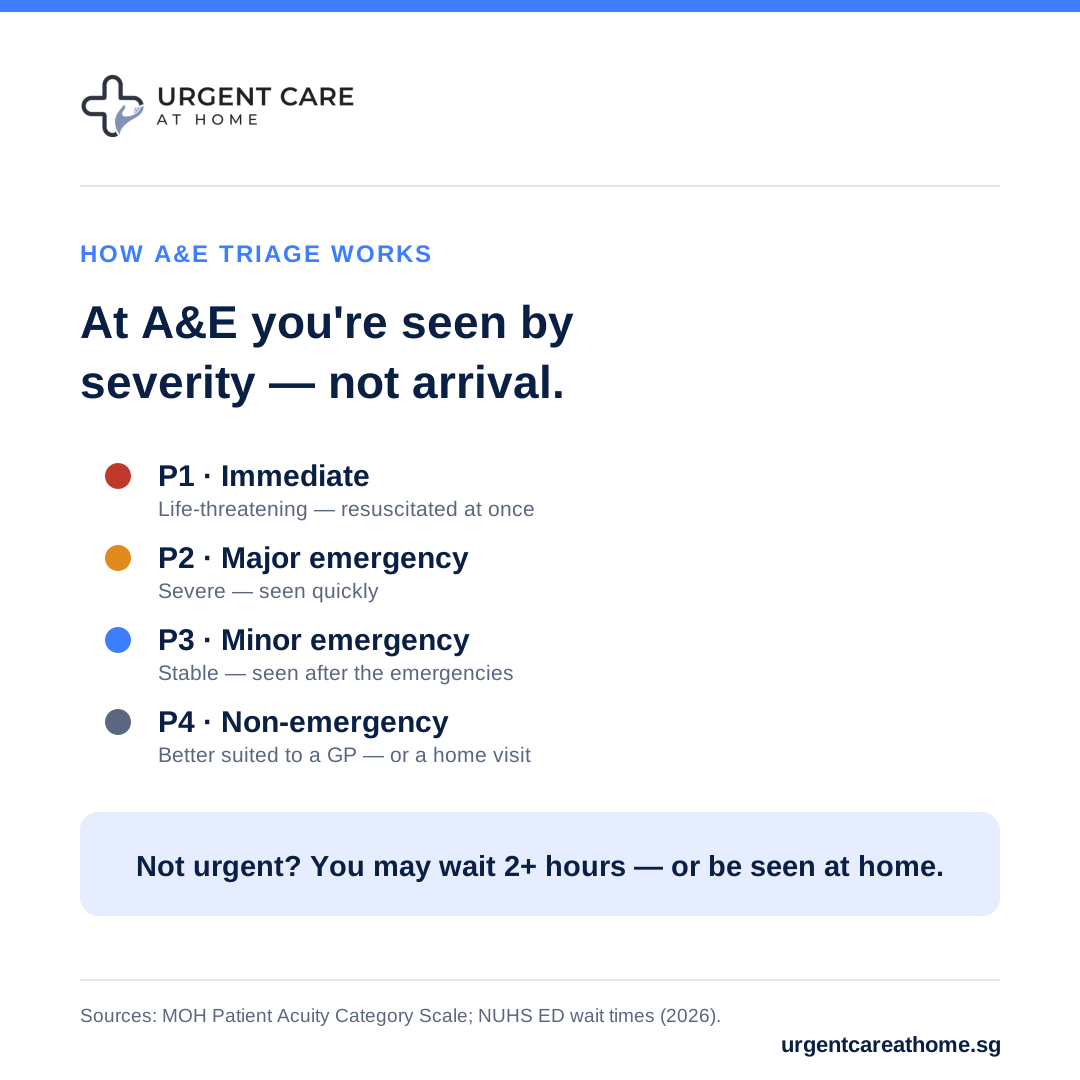
First, the red flags
Some symptoms are not for a home visit under any circumstances. If any of these are present, the emergency department — or an ambulance — is the right call:
Go to A&E or call 995 for
Central chest pain or pressure; difficulty breathing; signs of stroke (face droop, arm weakness, slurred speech); heavy or uncontrolled bleeding; a seizure; sudden severe headache; severe allergic reaction; major injury or a suspected broken hip; unresponsiveness or rapidly worsening drowsiness; or a baby under three months with a fever.
What a home doctor handles well
Below the emergency line sits a wide range of problems that genuinely benefit from a doctor's hands-on assessment at home but don't need a hospital. A house call earns its place when getting to a clinic is impractical, slow, or hard on the patient.
A home visit is usually appropriate for
Fever and flu; throat, ear, urinary and chest infections; gastric upset and vomiting; minor wounds and injuries; rashes; a post-operative wound or medication review; an unwell but stable elderly parent; or a sick child you'd rather not bring to a crowded waiting room.
The honest in-between
Plenty of situations sit in the middle — uncomfortable but not obviously dangerous. Here, the practical factors matter: How is the patient trending — better, stable or worse? How far is help if things change? Is it the middle of the night? When you're genuinely unsure, describe the symptoms to a clinician by phone; it costs nothing to ask and it's the fastest way to find out whether you're dealing with an emergency.
Match the threshold to the person
The same symptom isn't equal in everyone. A fever is one thing in a healthy adult and another in a newborn, a frail 90-year-old, or someone discharged from hospital last week. For these groups, lower your threshold to seek help — see recognising emergencies in older adults and the first 72 hours after discharge.
A quick way to decide
Is it life- or limb-threatening? → A&E / 995. Does it need a doctor but isn't an emergency, and travel is hard? → home visit. Stable and routine, and you can travel? → your GP. Not sure? → call and ask.
For the fuller picture, see our main guide: when to call a home doctor.
