Managing a palliative crisis at home: pain, breathlessness and agitation
When a loved one is being cared for at home near the end of life, a sudden change in symptoms can feel frightening and lonely — especially after hours. This guide explains what often helps, and how to get medical support without an automatic trip to hospital.
Key takeaways
- If your loved one has a palliative care plan and anticipatory ("just in case") medicines at home, those are the first thing to reach for — follow the plan your team left.
- Pain, breathlessness, agitation and noisy breathing are common and usually treatable at home.
- Call your hospice or palliative team first where you can; for after-hours changes, an Doctor can attend at home to settle symptoms.
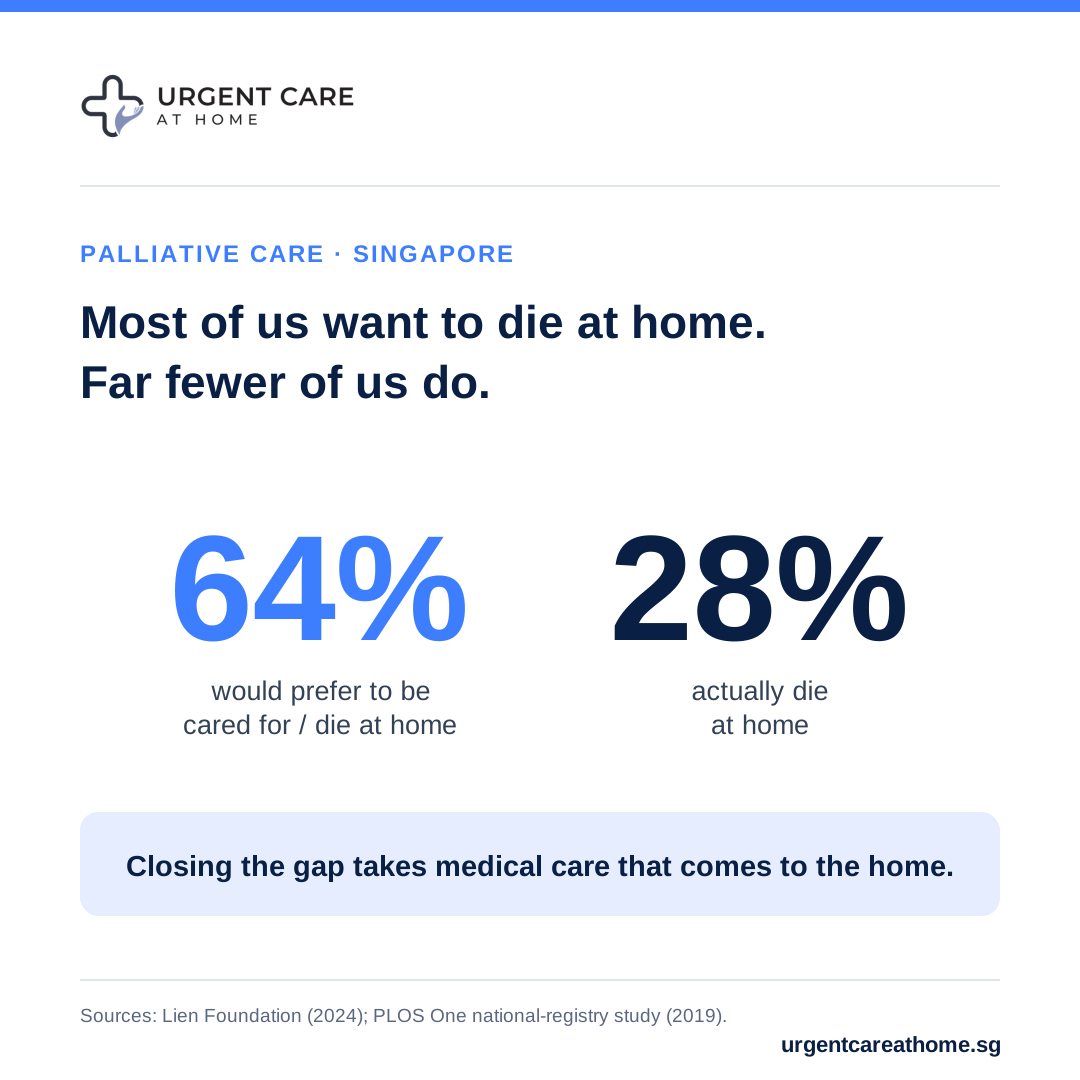
- Hospital isn't automatically the right answer — if staying home is the goal, symptom control at home often honours that better.
What a "crisis" usually means
Towards the end of life, the body changes and symptoms can flare quickly. A crisis is rarely a single dramatic event — more often it's a symptom becoming distressing: pain that breaks through, breathing that becomes laboured, restlessness or confusion, or noisy "rattly" breathing. These are distressing to witness, but they are familiar to palliative clinicians and usually respond to treatment given at home.
First: use the plan you were given
Many people under palliative care have an anticipatory care plan and a small supply of medicines kept at home for exactly these moments, along with instructions and contact numbers. If that's in place, follow it and call the number your team provided. If you don't have a plan, or can't reach your team, that's where an after-hours home doctor can step in.
Common symptoms and what helps
Pain
Give prescribed pain relief as directed and note the time. Position changes, a calm room and reassurance help. If pain isn't settling with the medicines you have, a doctor can review and adjust the dose or give medication by injection.
Breathlessness
Breathlessness is often eased by simple measures — sitting upright, a stream of cool air from a fan, calm company and unhurried breathing. Our companion guide goes further: easing breathlessness at the end of life.
Restlessness and agitation
Terminal restlessness — fidgeting, confusion, pulling at clothes or bedding — is common. Check for simple causes such as a full bladder, constipation or pain, keep the environment calm and lit softly, and speak gently. Medication can help when these measures aren't enough.
Noisy breathing
In the final days, secretions at the back of the throat can cause a rattling sound. It is usually more distressing to those watching than to the patient. Gently repositioning onto one side often helps; a doctor can prescribe medication to reduce it.
Who to call, and when
Your hospice or palliative team is the first call during their hours. For changes after hours, or when you can't reach them, a home doctor can attend to assess and treat. If your loved one has chosen to remain at home, let that guide decisions rather than defaulting to an ambulance.
When 995 may still be right
If there is no care plan in place and your loved one is in severe, uncontrolled distress, or if a crisis falls outside what was anticipated and you need immediate help, call 995 — or if at any point the family's wishes change and hospital care is wanted. There is no wrong choice made out of love.
