Easing breathlessness at the end of life: a guide for families
Breathlessness is one of the most distressing symptoms to witness in a loved one — and one where a calm, prepared family can genuinely help. Much of what eases it needs no medication at all.
Key takeaways
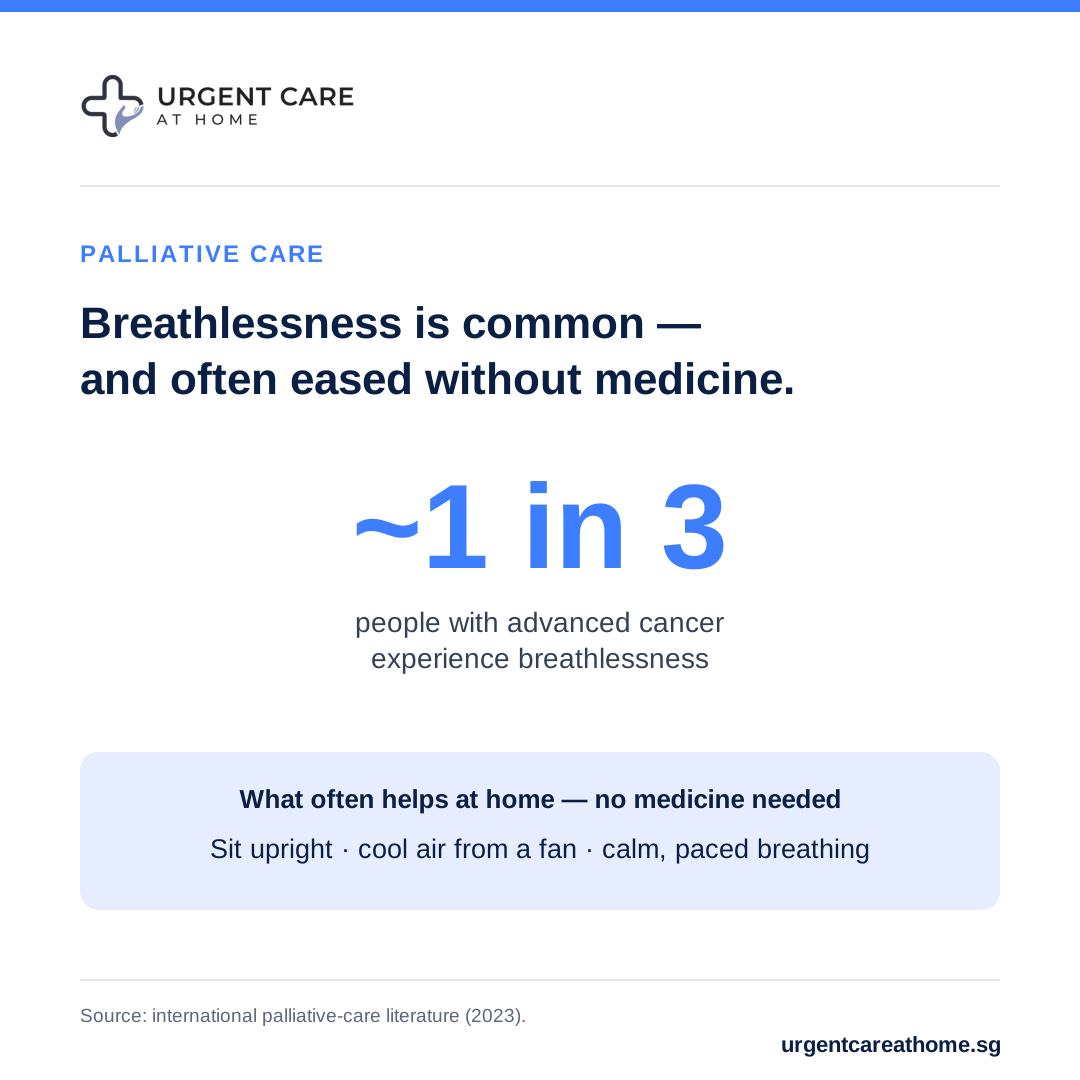
- Sit your loved one upright, move cool air across their face with a fan or open window, and stay calm — your composure helps them.
- Breathlessness near the end of life does not always mean low oxygen, and feeling breathless is not the same as being in danger.
- If a palliative care plan includes medicines for breathlessness, use them as directed.
- If breathlessness is severe, frightening or not settling, a home doctor can help — call your palliative team first where possible.
Why it happens
In advanced illness, breathlessness can come from the underlying condition, fluid, anxiety, weakness of the breathing muscles, or simply the body slowing down. Importantly, the sensation of breathlessness and the body's actual oxygen level don't always match — which is why comfort measures that calm the sensation can help even when oxygen is adequate.
What families can do, right now
- Position upright. Sitting up or leaning slightly forward, well supported by pillows, opens the chest and eases the work of breathing.
- Move cool air. A handheld or table fan directed gently across the face, or an open window, reliably reduces the feeling of breathlessness for many people.
- Stay calm and present. Breathlessness and anxiety feed each other. A quiet voice, slow breathing they can follow, and unhurried company break that cycle.
- Reduce exertion. Bring things to them, pace activities, and allow rest. Loosen tight clothing.
- Keep the room cool and uncluttered. A fresh, airy space feels easier to breathe in.
Medicines
Palliative teams often prescribe small doses of medication — commonly low-dose opioids and sometimes anti-anxiety medicines — that ease the sensation of breathlessness without the side effects people fear. If these have been provided as part of a care plan, use them as instructed. A doctor can review and adjust them, or give medication by injection if swallowing is difficult.
Oxygen isn't always the answer
Families often assume oxygen is needed, but it only helps when oxygen levels are genuinely low. For many at the end of life, a fan and calm positioning ease breathlessness more effectively. Your care team can advise what's right.
Get help promptly if
Breathlessness comes on very suddenly, is severe and frightening, or your loved one is panicking and the measures above aren't helping. Call your palliative team, an after-hours home doctor, or — if there is no plan and the distress is overwhelming — 995. You won't be judged for seeking help.
