Recognising emergencies in older adults: when illness hides
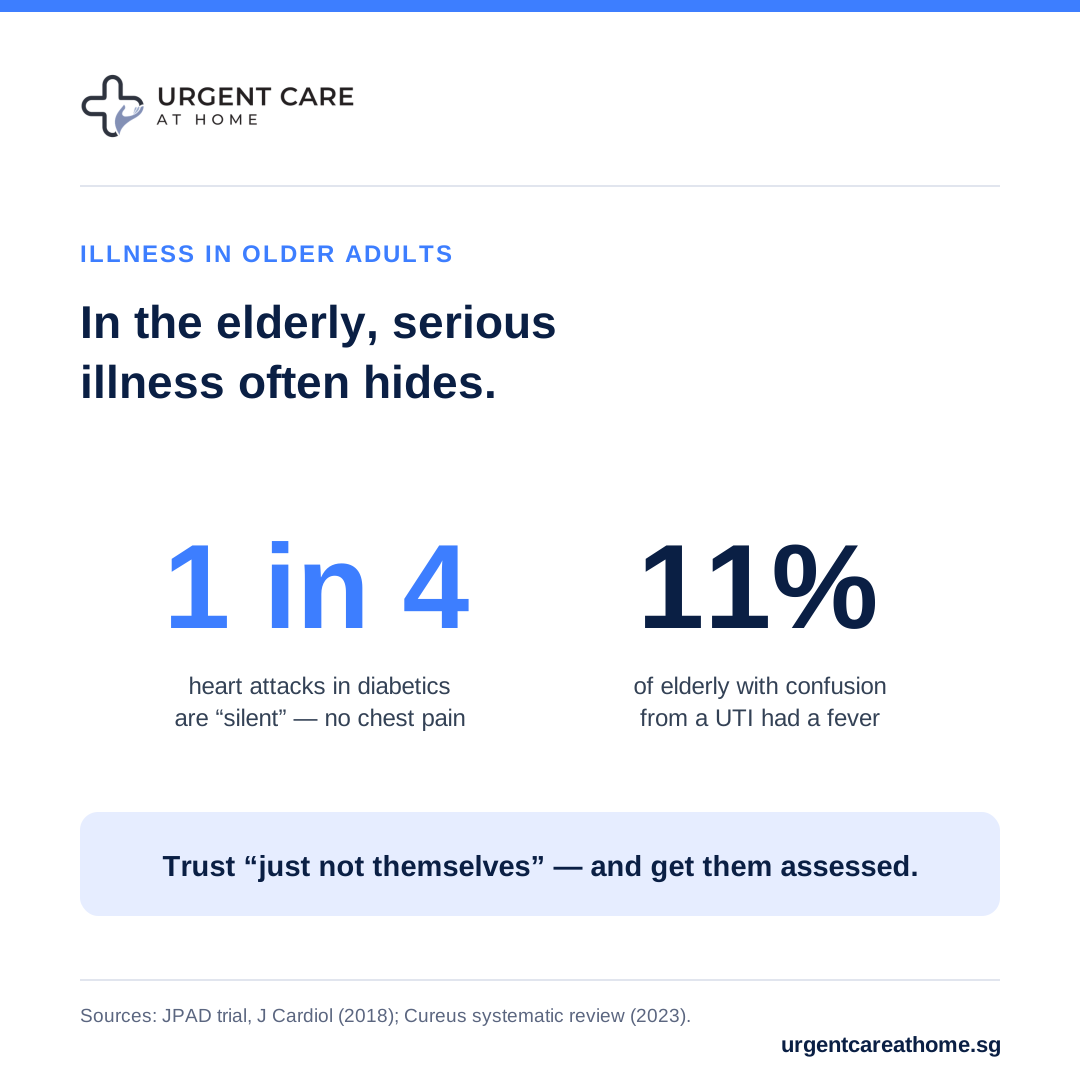
In older people, serious illness often arrives quietly — as confusion, a fall, or simply being "not themselves" — rather than the textbook symptoms. Knowing these atypical signs helps you act before a problem becomes a crisis.
Key takeaways
- New or sudden confusion in an older adult is a symptom, not "just old age" — it often signals infection, dehydration or another acute problem.
- Heart attacks and strokes can present without the classic chest pain or one-sided weakness — breathlessness, fatigue, a fall or a vague "off" feeling may be the only clue.
- Trust the "just not themselves" instinct — families usually notice the change first.
- For sudden weakness, slurred speech, chest pain, breathlessness or a serious fall, call 995. For an older parent who is unwell but stable, a home visit can assess them in place.
Why illness looks different with age
As we age, the body's alarm signals get quieter. Fever may be mild or absent even with serious infection. Pain may be dulled. Several long-term conditions and medications can mask or mimic new problems. The result: a serious illness can show up not as a clear symptom but as a change in function — less alert, less steady, less themselves.
Common emergencies that hide
Infection appearing as confusion
A urinary or chest infection in an older adult often causes sudden confusion (delirium), drowsiness or unsteadiness before — or instead of — fever. New confusion always deserves assessment.
Heart attack without chest pain
Older adults, and people with diabetes, may have a heart attack with only breathlessness, sweating, nausea, fatigue or a collapse — no dramatic chest pain.
Stroke that's easy to miss
Beyond face droop and arm weakness, a stroke can show as sudden confusion, trouble speaking, loss of balance or visual changes. Use FAST — Face, Arms, Speech, Time to call 995.
Dehydration and falls
Poor fluid intake, especially in Singapore's heat, can cause weakness, dizziness, confusion and falls. A fall can also be the first sign of an underlying illness — covered in falls in the elderly: when to worry.
Call 995 immediately for
Any FAST sign of stroke; chest pain or breathlessness; a first-ever seizure; unresponsiveness or rapidly worsening drowsiness; a serious fall or suspected fracture; or a sudden, severe change you can't explain.
The most useful thing you can notice
Caregivers are often the first to sense that something is wrong — "she's just not herself today." That instinct is clinically valuable. A doctor would far rather assess an older adult and find nothing serious than be called too late.
A home assessment is well suited to
An older parent who is more tired, confused or unsteady than usual but stable; a suspected urine or chest infection; a medication review; or a check after a minor fall. A doctor can examine them where they are, without a disorienting trip to a clinic.
Have ready for any review
A list of their regular medicines, their usual baseline (how alert and mobile they normally are), and what's changed and when. This helps a doctor judge how far they've moved from normal.
