Falls in the elderly: when to worry and what to do
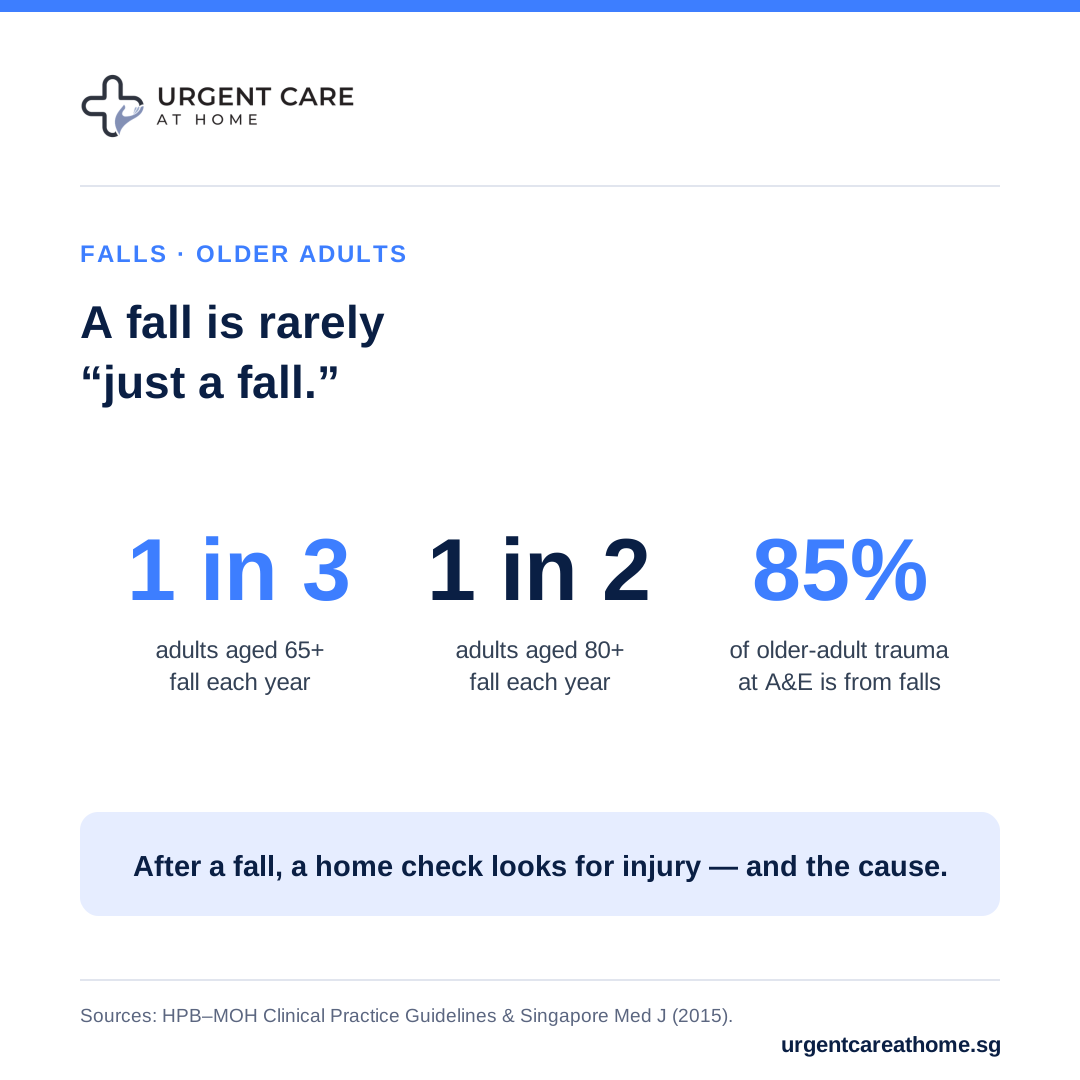
A fall is one of the most common reasons families call for help — and one of the trickiest to judge. Someone can seem fine immediately afterwards yet have a serious injury, while another genuinely is fine. Here's how to tell, and what to do in the moments after.
Key takeaways
- Don't rush to lift someone after a fall — first check they're responsive and not in severe pain or unable to move a limb.
- A head injury in someone on blood thinners needs medical assessment even if they seem fine, because bleeding can develop slowly over hours to days.
- Severe pain, an obviously deformed or unusable limb, a significant head injury or loss of consciousness mean 995.
- For a minor fall with no red flags, a home visit can check for injury and, importantly, look for why the fall happened.
In the first few minutes
Stay calm and don't immediately help them up. First, check: are they responsive and talking normally? Any severe pain, especially in the hip, back or head? Can they move all four limbs? Is any limb bent or turned the wrong way? If anything serious is present, leave them in place, keep them comfortable and call 995. If they seem unhurt, help them up slowly, in stages, and let them rest before standing fully.
Call 995 if there is
Loss of consciousness (even briefly); a hit to the head while on blood thinners; severe pain or an inability to bear weight or move a limb; an obviously deformed limb; a seizure; new confusion, vomiting or drowsiness; or severe bleeding. A suspected hip fracture needs hospital assessment.
Why blood thinners change things
People taking blood thinners such as warfarin, apixaban, rivaroxaban or dabigatran can bleed inside the skull after even a modest knock to the head — and the signs may take hours or a day or two to appear. If your relative is on one of these and hits their head, seek assessment promptly, and over the next 48 hours watch for headache, drowsiness, repeated vomiting, confusion or weakness.
Look for why it happened
A fall is often a symptom, not just an accident. Common drivers include a new infection, dehydration, low blood pressure on standing, medication side effects, an irregular heartbeat, or worsening vision and balance. This is where a doctor's assessment adds the most value — finding and addressing the cause is how you reduce the chance of the next fall. We cover the broader picture in recognising emergencies in older adults.
A home assessment suits
A minor fall with no red flags, where you want a doctor to check for injury, review medications and look for an underlying cause — without the ordeal of getting an shaken, sore older person to a clinic.
Reducing the next fall
Clear floor clutter and loose rugs, improve lighting, add grab bars in the bathroom, review footwear, and ask a doctor to review medications that can cause dizziness. Small changes meaningfully lower risk.
