The first 72 hours after hospital discharge: what to watch for
Discharge can feel abrupt — one moment surrounded by nurses, the next at home with a bag of medications and a printed summary. The first three days are when most early problems show up. Here's what to keep an eye on, and when to get a doctor.
Key takeaways
- Read the discharge summary the same day and check you understand every new medication — what it's for, the dose, and which old medicines to stop.
- Watch the wound, temperature, breathing, pain and alertness — these are where early complications usually appear.
- Some symptoms mean A&E or 995 straight away; many in-between worries can be settled by a home visit without another hospital trip.
- Keep the discharge summary and medication list to hand — any reviewing doctor will want to see them.
Why the first days matter
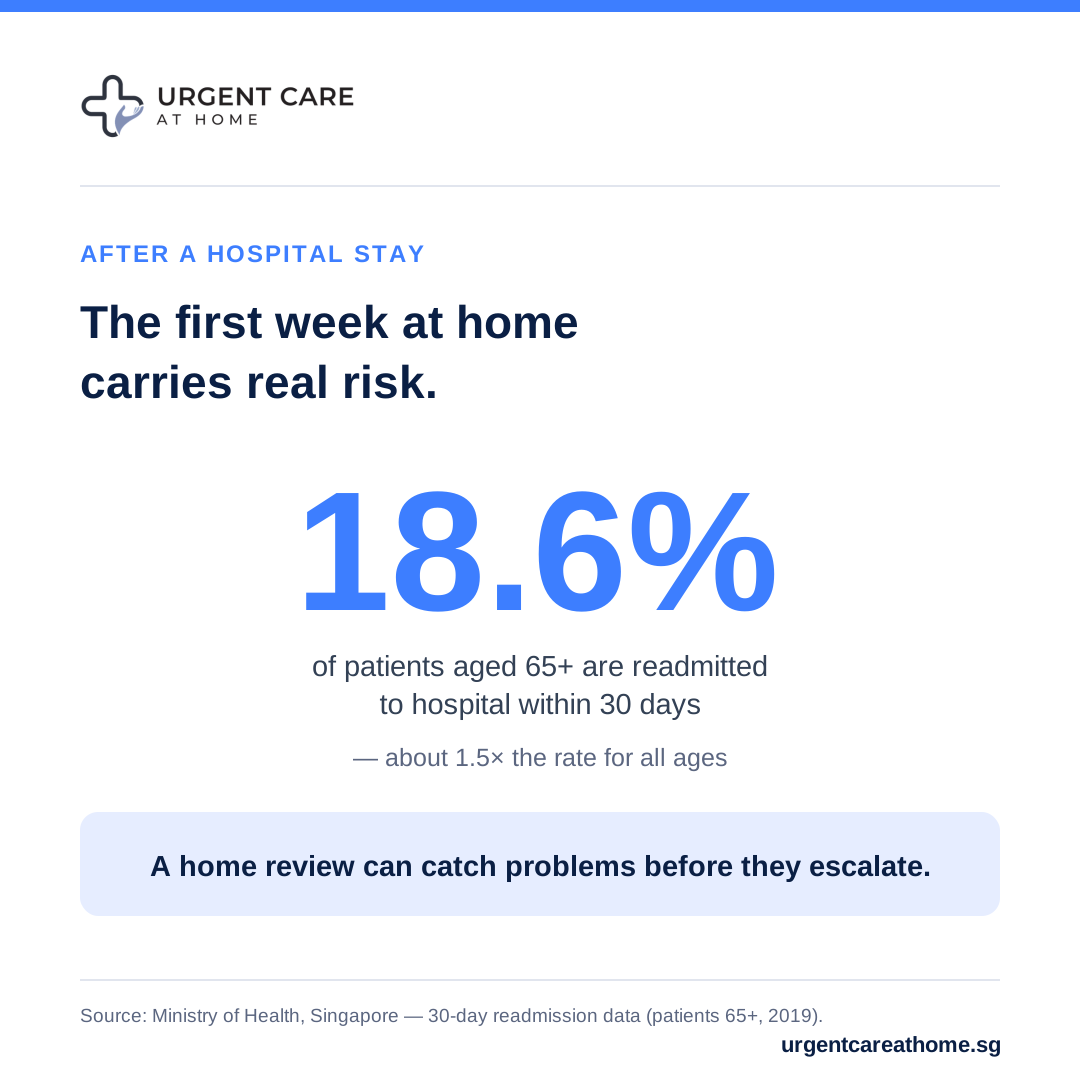
Hospitals discharge once a patient is stable enough to recover at home — not once they are fully better. Recovery continues at home, and so does some risk: wounds can become infected, new medications can interact, pain can be undertreated, and older patients can become dehydrated or confused. Catching these early is far easier than dealing with them once they've grown.
Don't wait — call 995 for these
Emergency signs after discharge
Chest pain or breathlessness; a calf that is swollen, hot and painful (possible clot); heavy bleeding from a wound; a high fever with shaking chills or drowsiness; severe or rapidly worsening pain; fainting; or sudden confusion. These need emergency care now.
Medications: the most common early problem
Discharge often changes the medication list — new drugs are added, doses change, and some regular medicines are meant to be stopped. Confusion here is one of the most frequent causes of readmission. On day one:
- Lay out every medicine and match it against the discharge list.
- Check for duplicates — a new brand name can be the same drug you already take.
- Confirm which of your usual medicines to continue, change or stop.
- Note any that need monitoring (for example blood thinners).
If anything is unclear, a doctor can reconcile the whole list with you — see post-discharge care.
The wound
A little redness at the edges, mild discomfort and slight ooze in the first day or two can be normal. Concerning changes deserve a review — spreading redness, increasing pain, pus, a bad smell, or the wound opening. Our companion guide covers this in detail: post-surgery warning signs.
Pain, mobility and hydration
Pain should gradually ease, not build. Take pain relief as prescribed rather than waiting for pain to peak — uncontrolled pain stops people moving, and not moving raises the risk of clots and chest infections. Encourage gentle movement as advised, and keep fluids up, especially for older adults.
Usually part of normal recovery
Tiredness; a poor appetite for a few days; mild bruising around a wound; some constipation from pain medicines; and disturbed sleep. These are common — but if you're unsure whether something is normal, it's reasonable to ask.
Have these ready before you call
The discharge summary, the medication list, and a note of what's changed (temperature, the wound, pain score). It helps any doctor — in clinic, at home or by phone — assess quickly.
