Post-surgery warning signs: when a wound or fever needs a doctor
Most surgical wounds heal without trouble — but a small number become infected or break down, usually in the first two weeks. Knowing the difference between normal healing and a warning sign lets you act early.
Key takeaways
- Mild redness at the wound edge, slight swelling and a little clear ooze can be normal early on.
- Spreading redness, increasing pain after day three, pus, a bad smell, or the wound opening are signs of possible infection — get it reviewed.
- A fever above 38°C, or feeling generally unwell with a wound, should prompt a medical review.
- A home visit can assess and re-dress a wound without a trip back to hospital; severe symptoms need A&E.
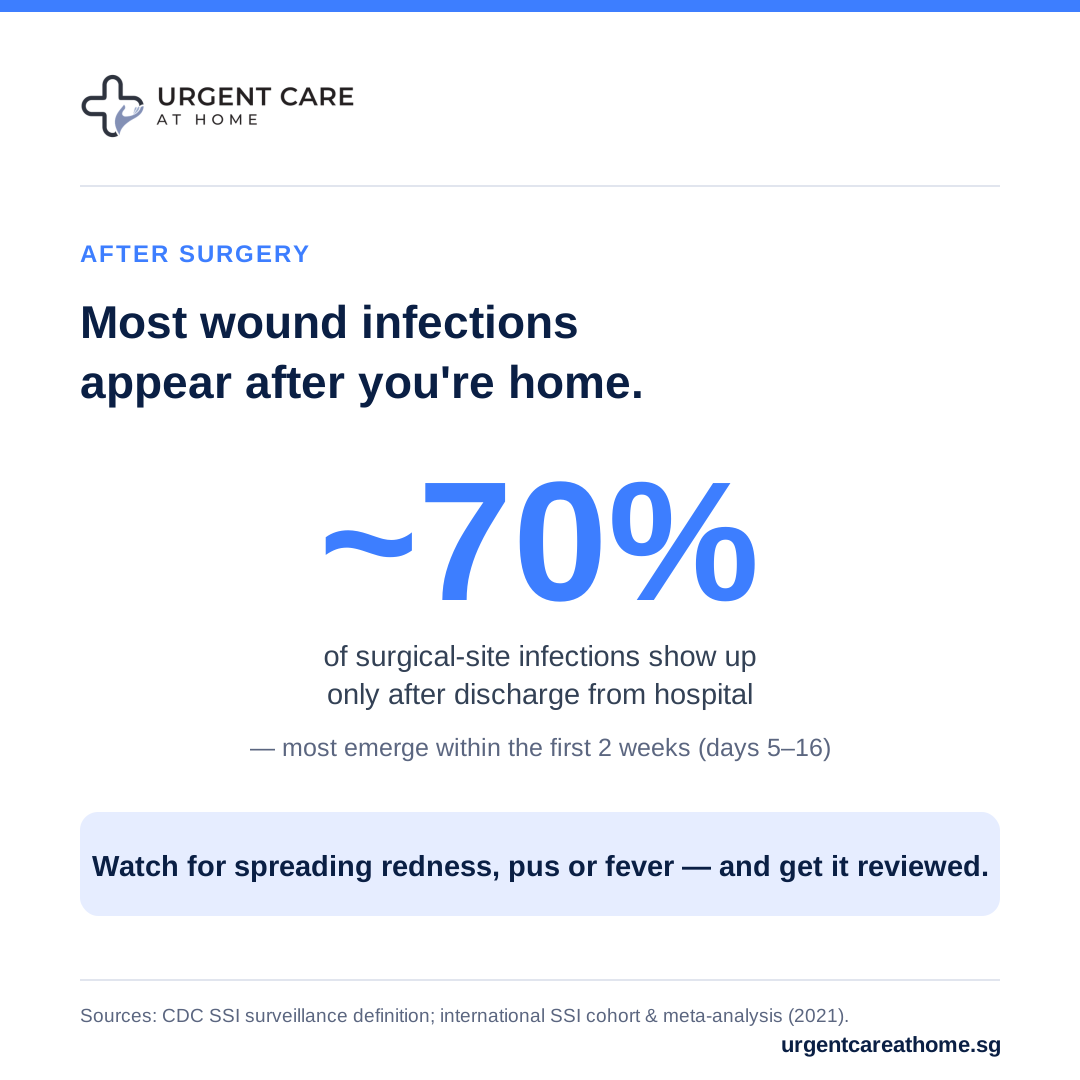
What normal healing looks like
In the first few days, a healthy wound is often slightly red at the very edges, a little swollen, and may ooze a small amount of clear or pink fluid. Discomfort should be steady or improving. Bruising around the area is common. None of this, on its own, is cause for alarm.
Signs a wound may be infected
Infection usually announces itself between days three and ten. Watch for:
- Redness that is spreading outward rather than settling.
- Pain that is increasing after it had started to improve.
- Yellow or green discharge, or pus.
- A foul smell from the wound.
- Warmth and hardening of the surrounding skin.
- The wound edges separating or opening.
One or two of these warrant a prompt review — a doctor can examine the wound, swab if needed, start antibiotics where appropriate and re-dress it. Many of these reviews can be done at home; see post-discharge care.
Call 995 or go to A&E if there is
A high fever with shaking chills or confusion; rapidly spreading redness; a wound that is gaping or bleeding heavily; severe pain out of proportion to the wound; or you feel very unwell. These can signal a serious infection that needs hospital treatment.
Fever after surgery
A low-grade temperature in the first 48 hours is common. A fever above 38°C that appears later, persists, or comes with chills, a productive cough, burning on passing urine, or a hot painful calf, should be assessed — it may point to a wound, chest, urine or clot-related problem rather than the wound itself.
Before a review, note
When the redness or pain started, your temperature, what the discharge looks like, and the operation you had. A photo of the wound each day helps a doctor judge whether it's changing.
